Growing Microgreens at Home: A Healthful Journey
- Brittany Henderson
- Jul 24, 2024
- 2 min read
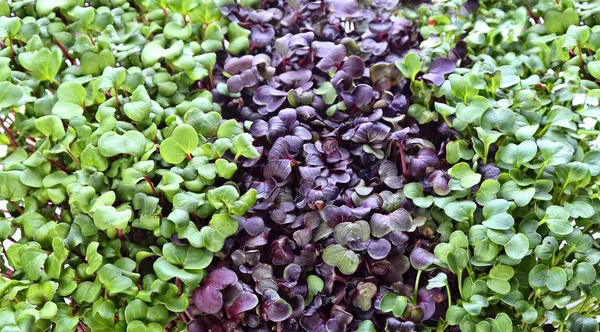
In recent years, the trend of growing microgreens at home has surged, driven by their vibrant flavors and impressive health benefits. Microgreens are young vegetable greens harvested just after the first true leaves have developed. Packed with nutrients, they are known to offer concentrated levels of vitamins, minerals, and antioxidants, making them a powerhouse addition to any diet.
Getting Started
Growing microgreens at home is a rewarding and straightforward process that requires minimal space and equipment. You'll need an organic seed starting mix and organic seeds of your choice. Some of our favorites are peas and broccoli. True Leaf Market has a huge selection of microgreen seeds. Opting for organic ensures your microgreens grow in a healthy environment, free from synthetic pesticides and fertilizers.
Planting and Care
Seed Starting: Fill a shallow tray with the seed starting mix, ensuring it is evenly spread and lightly pressed down. We prefer the 20" x 10" trays here! Scatter the seeds evenly across the surface and press them lightly into the soil. We prefer an organic, all-natural seed starting mix that includes coconut coir. Our favorite is from Burpees, which you can find on Amazon here!
Watering: Mist the seeds gently with water to ensure the soil remains moist but not waterlogged. Place the tray in a location with indirect sunlight.
Growing Conditions: Microgreens thrive in moderate temperatures (around 65-75°F) and require good airflow to prevent mold. Ensure they receive adequate light during their growth period, which is typically 1-2 weeks, depending on the variety.
Harvesting: Once the first true leaves appear, usually within 7-14 days, your microgreens are ready to harvest. Use clean scissors to cut them just above the soil line.
Health Benefits
Microgreens are celebrated for their concentrated nutrient content, often containing higher vitamin and mineral levels than their mature counterparts. Incorporating them into your diet can:
Boost Nutrient Intake: Microgreens are dense in vitamins A, C, and K, as well as essential minerals like iron and potassium.
Support Heart Health: Studies suggest that diets rich in microgreens may help lower cholesterol levels and reduce the risk of heart disease.
Combat Inflammation: Chronic inflammation has been linked to various serious illnesses, including heart disease, cancer, and Alzheimer's. Microgreens, with their anti-inflammatory properties, can help mitigate these risks.
Culinary Delights
Beyond their health benefits, microgreens add a burst of flavor and freshness to dishes. Their tender, aromatic leaves are ideal for garnishing salads, sandwiches, soups, and even main courses. Imagine the crisp bite of radish microgreens or the peppery kick of arugula microgreens enhancing your favorite meals.
Conclusion
Growing microgreens at home offers a convenient way to ensure a fresh supply of nutrient-rich greens and empowers you to take control of your health. By choosing organic seed starting mix and seeds, you're supporting your well-being and contributing to a sustainable and eco-friendly lifestyle. Whether you're a seasoned gardener or just starting out, the journey of cultivating microgreens promises a rewarding path to better health and culinary creativity.
Embrace the vibrant world of microgreens and discover how these tiny powerhouses can transform your meals and enrich your well-being, one harvest at a time. Happy growing!
Comments